Credentials
Product, AI engineering, testing and leadership.
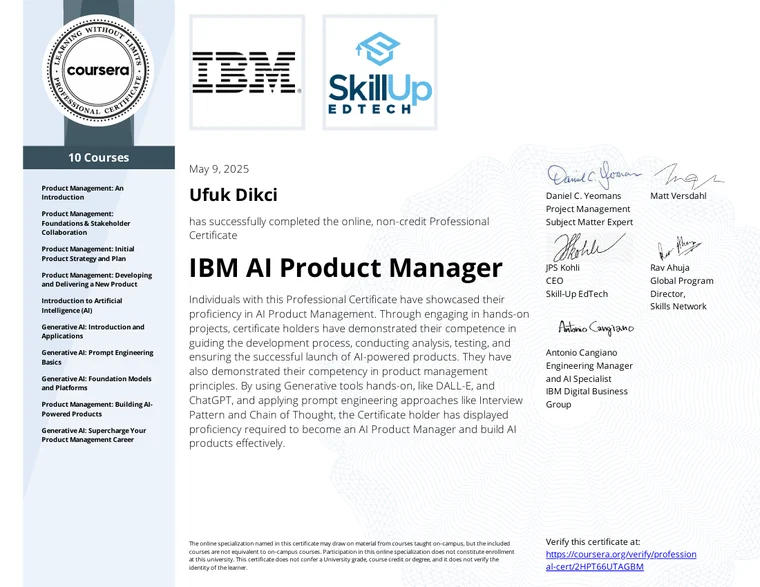
Professional Certificate spanning ten courses — from product discovery and roadmapping through prompt engineering, foundation models, and shipping AI-powered products.
All ten courses
- Product Management: An Introduction
- Foundations & Stakeholder Collaboration
- Initial Product Strategy and Plan
- Developing and Delivering a New Product
- Introduction to Artificial Intelligence (AI)
- Generative AI: Introduction and Applications
- Generative AI: Prompt Engineering Basics
- Generative AI: Foundation Models and Platforms
- Product Management: Building AI-Powered Products
- Generative AI: Supercharge Your Product Management Career
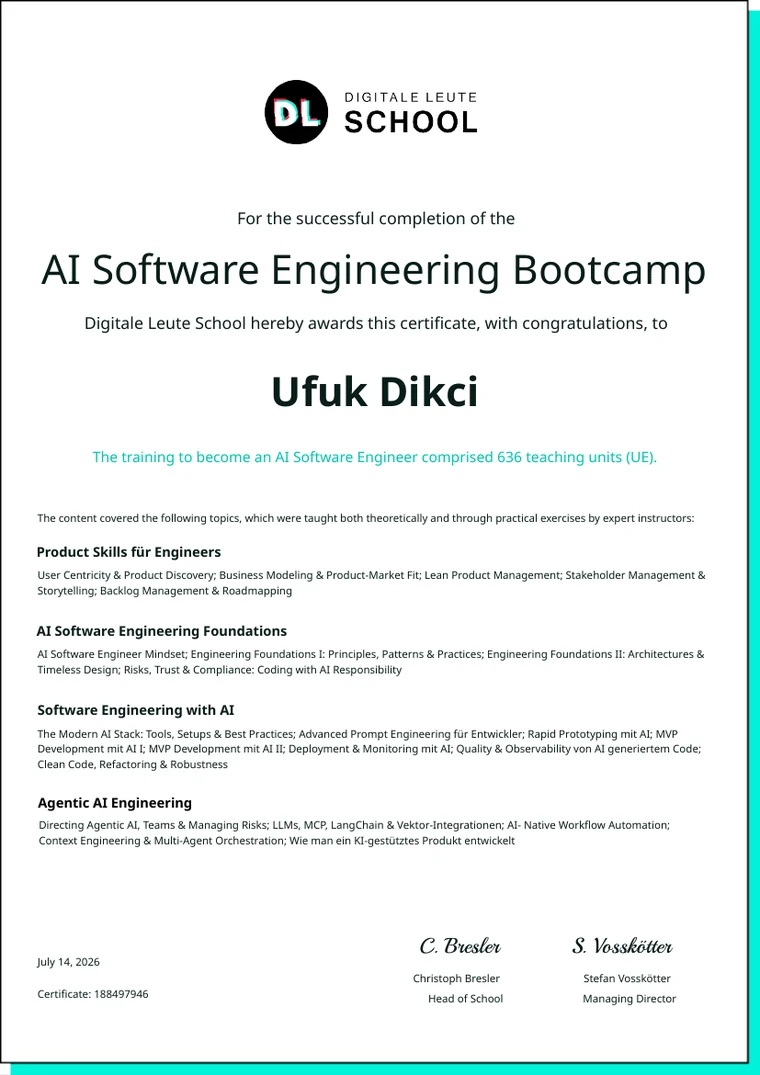
636 teaching units of theory and hands-on practice — from the AI engineer mindset and the modern AI stack to agentic AI, MCP, and multi-agent orchestration.
↓ The run-up sits under Engineering & Testing
How language models are built and where they break — the layer underneath the product decisions.
The formal grounding under a role I had already been doing.
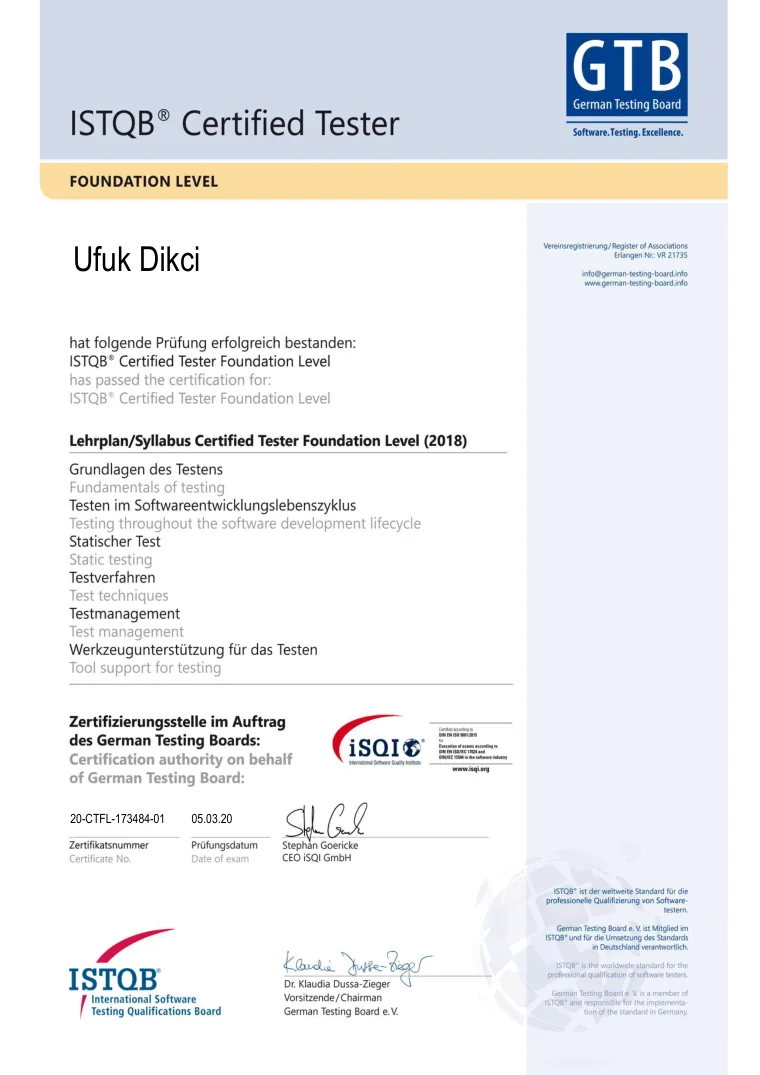
A sat exam, not a course: fundamentals of testing, the development lifecycle, static testing, test techniques and test management. The ground the later ownership of software processes was built on.
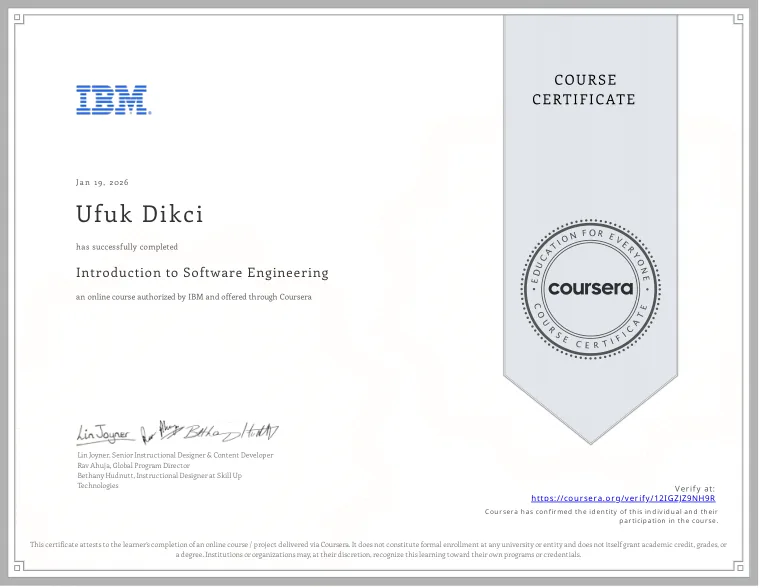
Back to fundamentals before the bootcamp: the software development lifecycle, architecture, and how engineering teams actually work.
↑ Step 1 of the run-up to the AI Software Engineering Bootcamp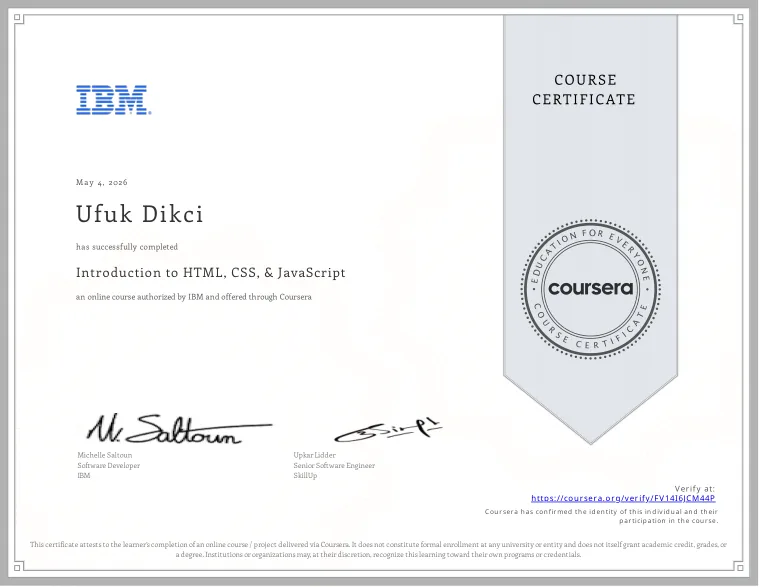
The front-end half of the same groundwork — enough to read, change and ship the code my prototypes are built from.
↑ Step 2 of the run-up to the AI Software Engineering Bootcamp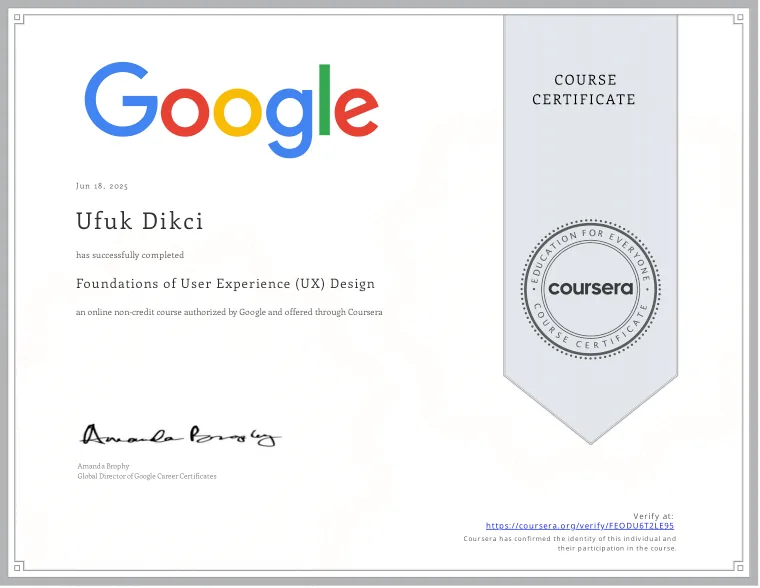
Discovery, research and the vocabulary to argue with designers on their terms rather than around them.
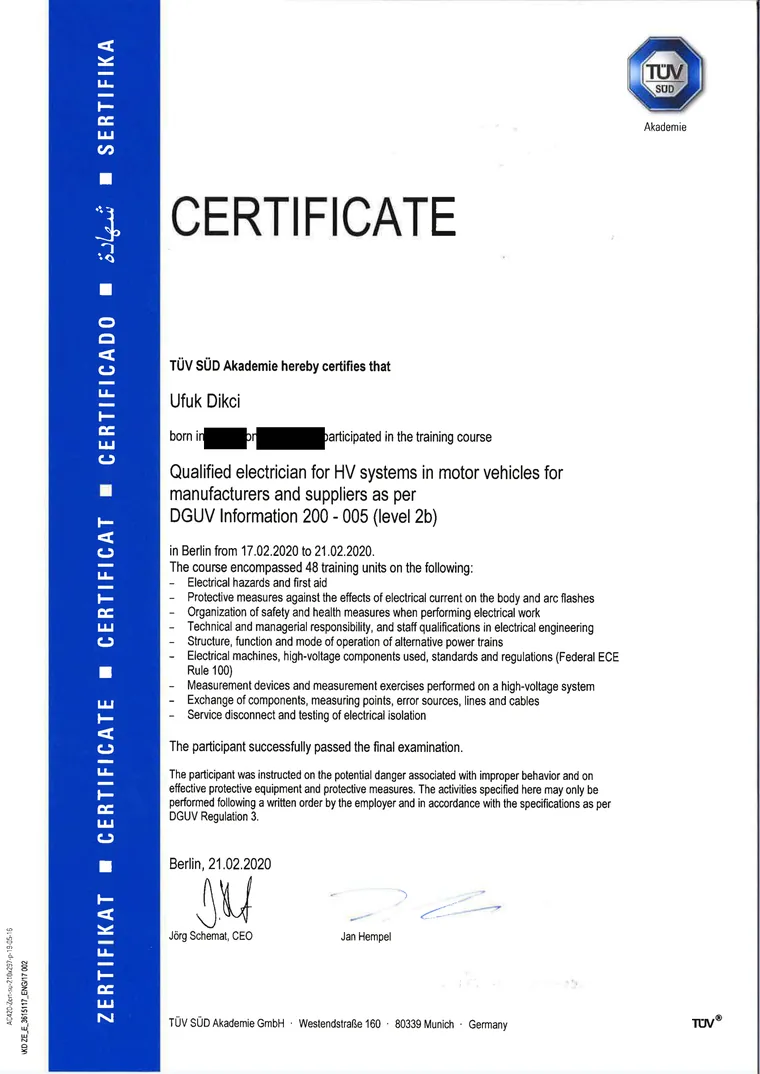
48 training units and a final exam, level 2b. From the automotive years — the reason I can hold my own in a room full of hardware engineers.
The group's internal leadership programme.
Degrees and employer references are not published here. Happy to send them on request.